A Multi-Day Indian Wedding at the InterContinental Buckhead
January 10, 2026
Planning a large-scale South Asian wedding is about more than managing events, it’s about designing an experience that feels intentional, personal, and seamless from start to finish. This three-day South Asian wedding at the InterContinental Buckhead brought together 400 guests over five events: Grah Shanti, Pithi, Sangeet, Wedding Ceremony, and Reception. Each event was designed to feel distinct in energy and purpose, while still flowing together as one cohesive and elevated celebration.
From the very beginning, the couple was clear that they did not want a predictable wedding. They wanted strong design, originality, and moments that felt thoughtful and personal, not formulaic. The ceremony and reception were the emotional anchors of the weekend, and both needed to feel like something their guests had never experienced before. As their Indian wedding planner, my role was to lead and manage the planning and execution of the entire weekend, overseeing vendors, building and managing detailed timelines, coordinating logistics across multiple locations, and making real-time decisions to ensure the experience felt calm and effortless for the couple and their families.
Designing a South Asian Wedding Weekend with Intention
One of the most important aspects of planning a multi-day Indian wedding is pacing. When weddings span several days, it becomes essential to ensure guests never feel overwhelmed or disengaged. For this weekend, our focus was on intentional transitions, clear guest flow, and layered experiences that evolved naturally from one event to the next.
The InterContinental Buckhead offered the flexibility needed to host multiple large-scale events, but executing them successfully required detailed planning around timelines, space usage, power, rigging, and vendor coordination.
Reimagining the Wedding Ceremony Through AI-Driven Design
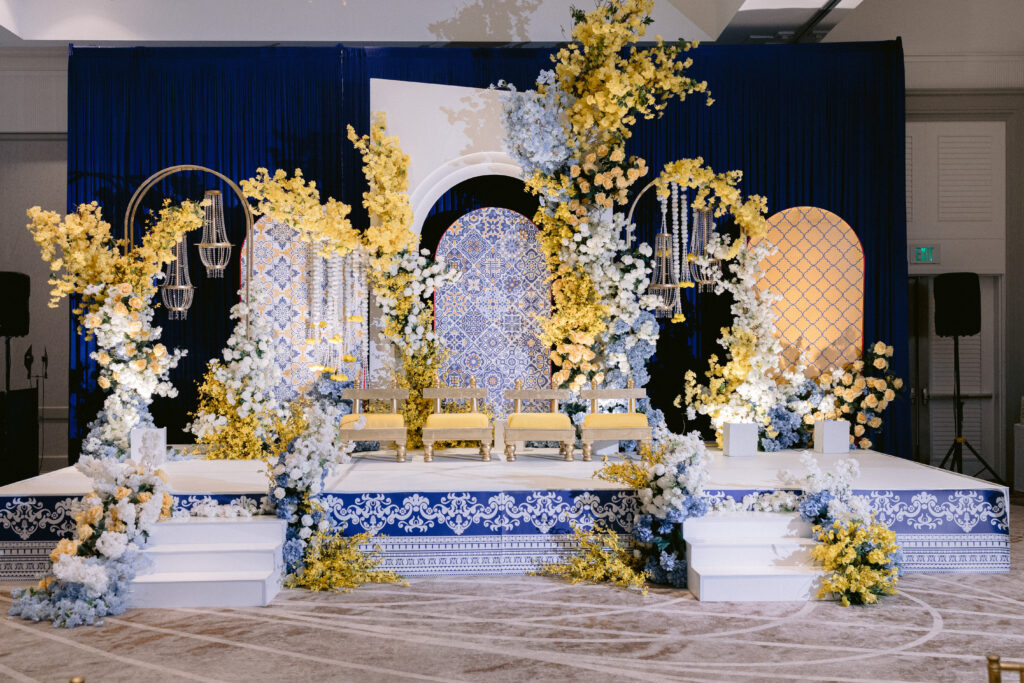
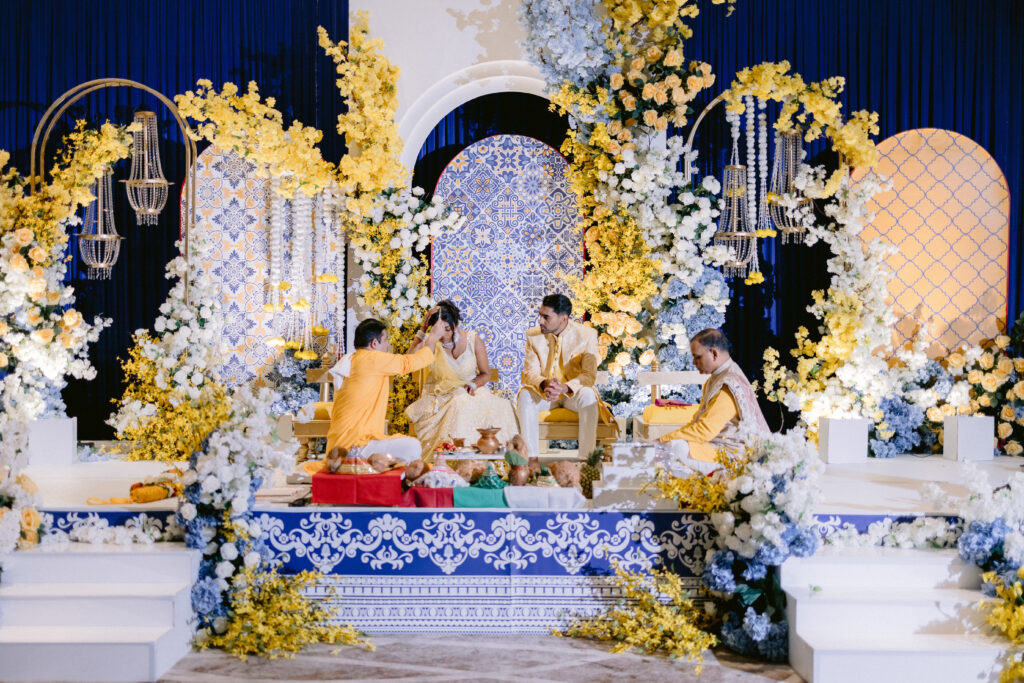
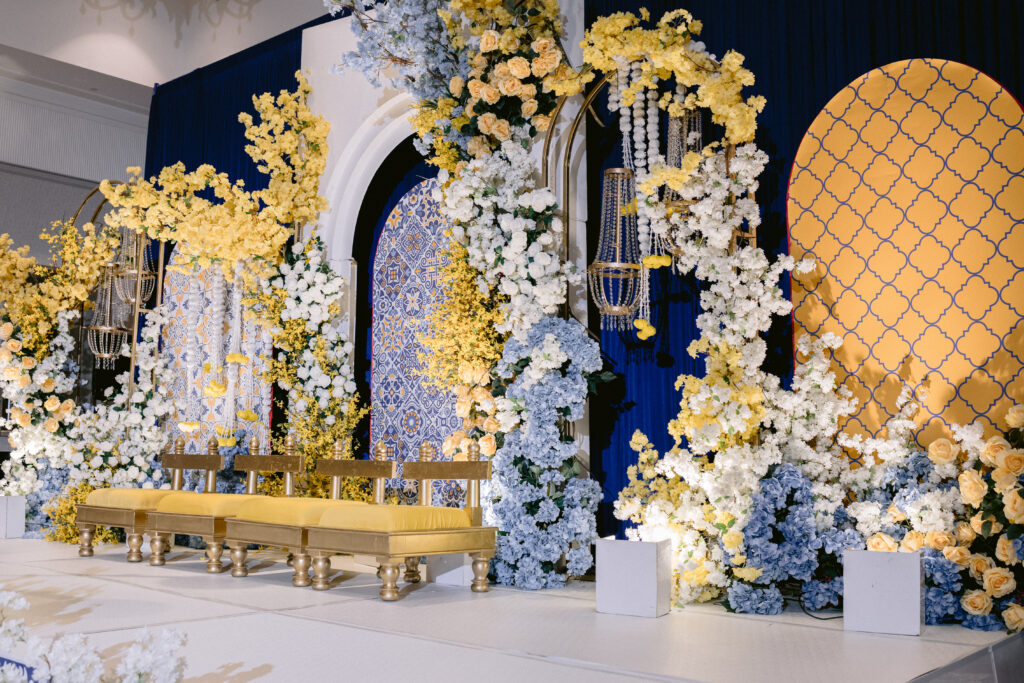
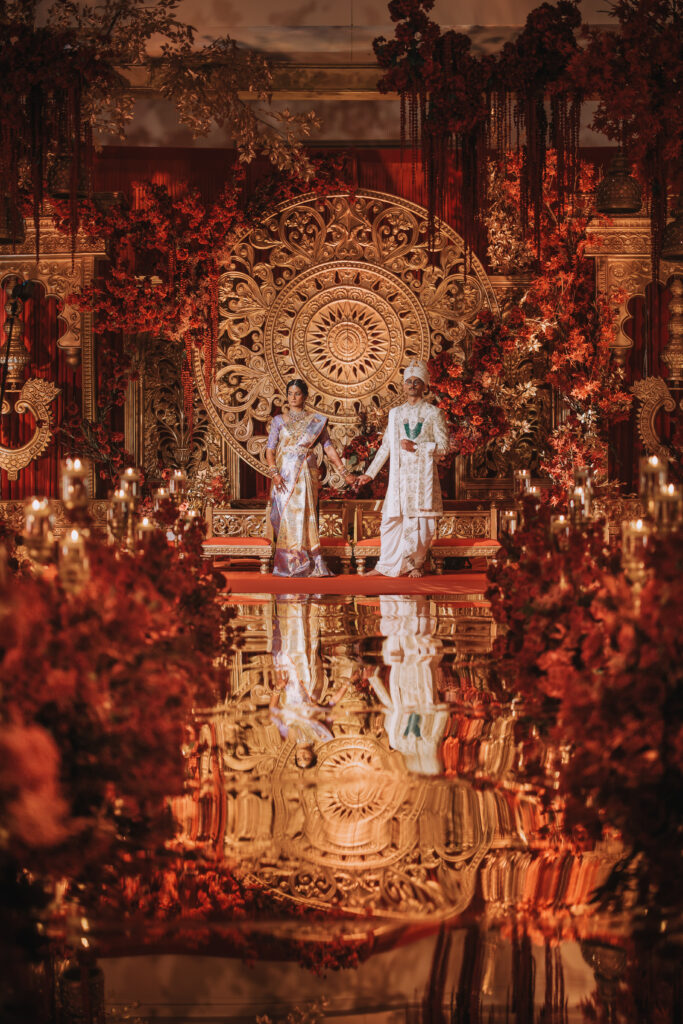
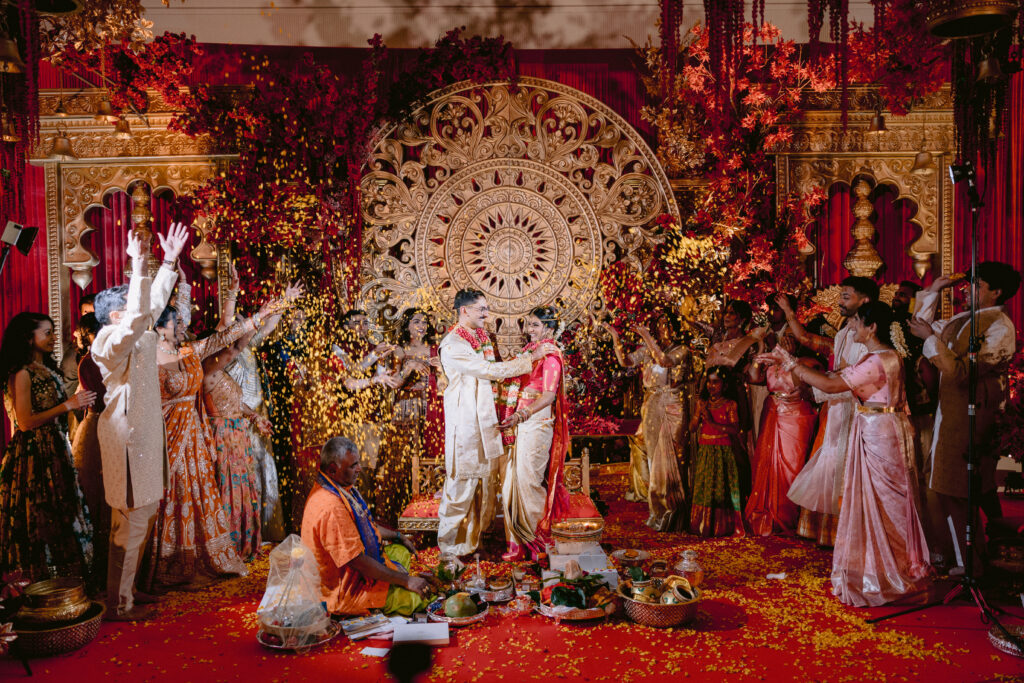
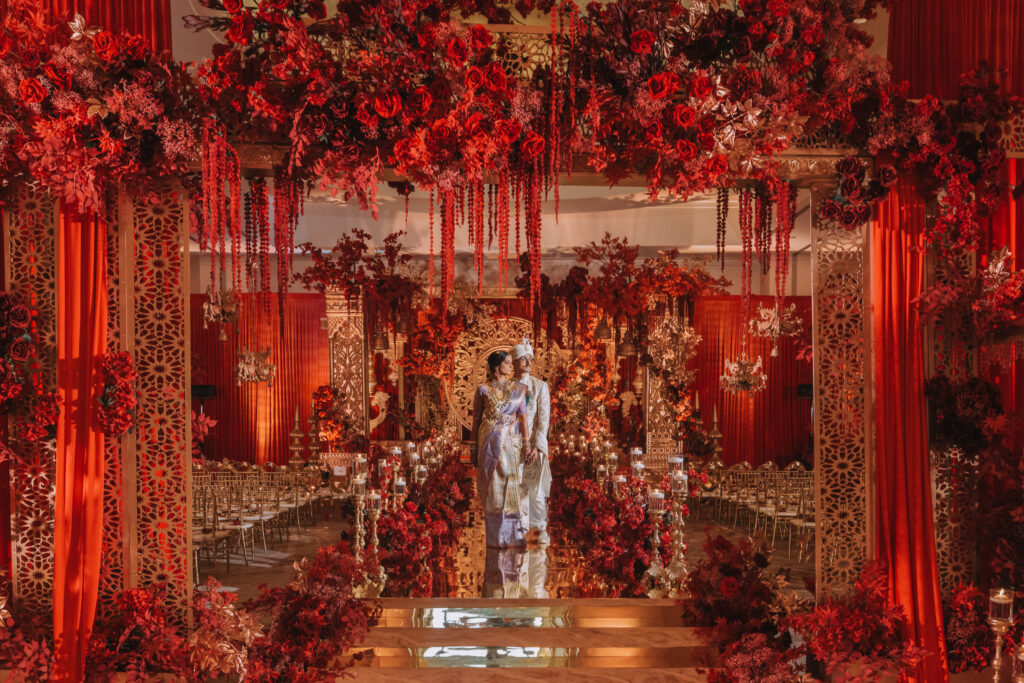
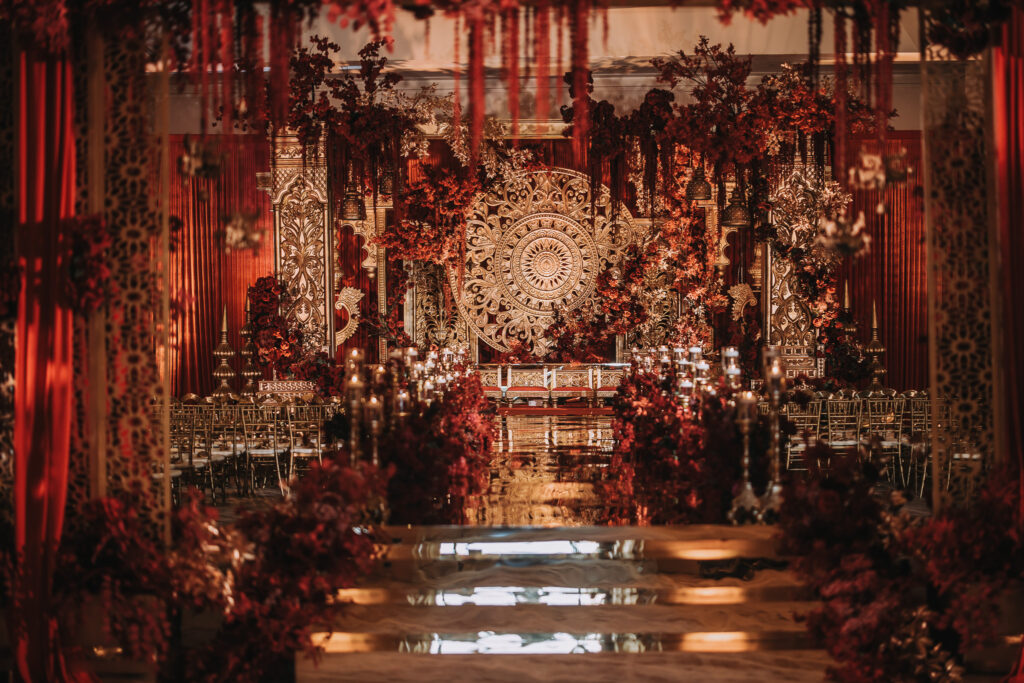
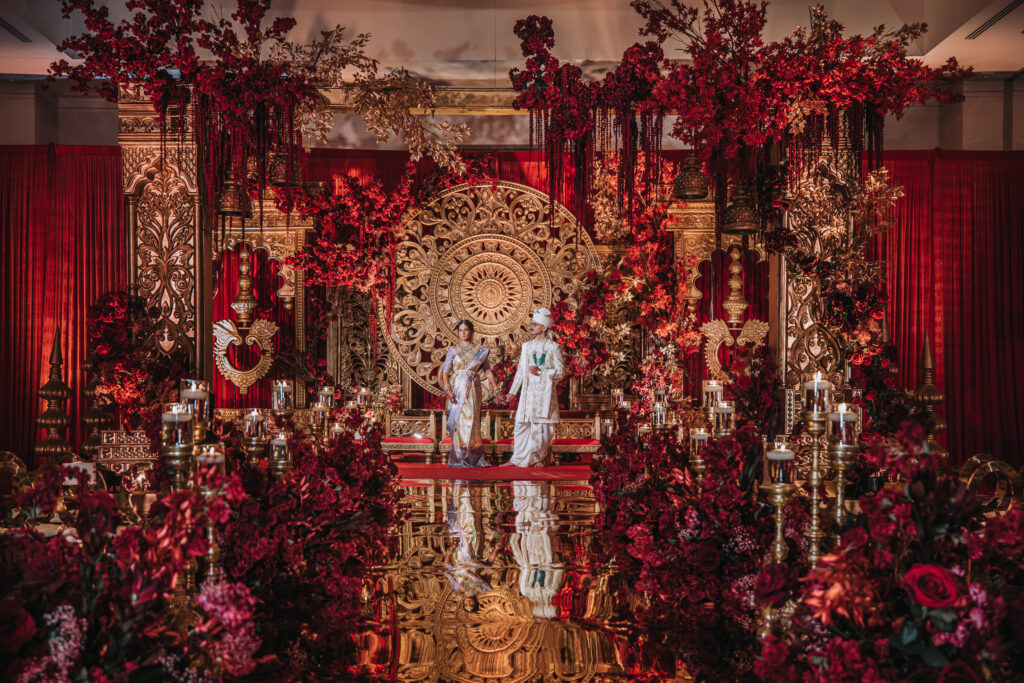
The wedding ceremony and reception were the most important elements for the couple, and both needed to feel like something their guests had never experienced before. When early ceremony design concepts didn’t resonate, we intentionally shifted our creative approach.
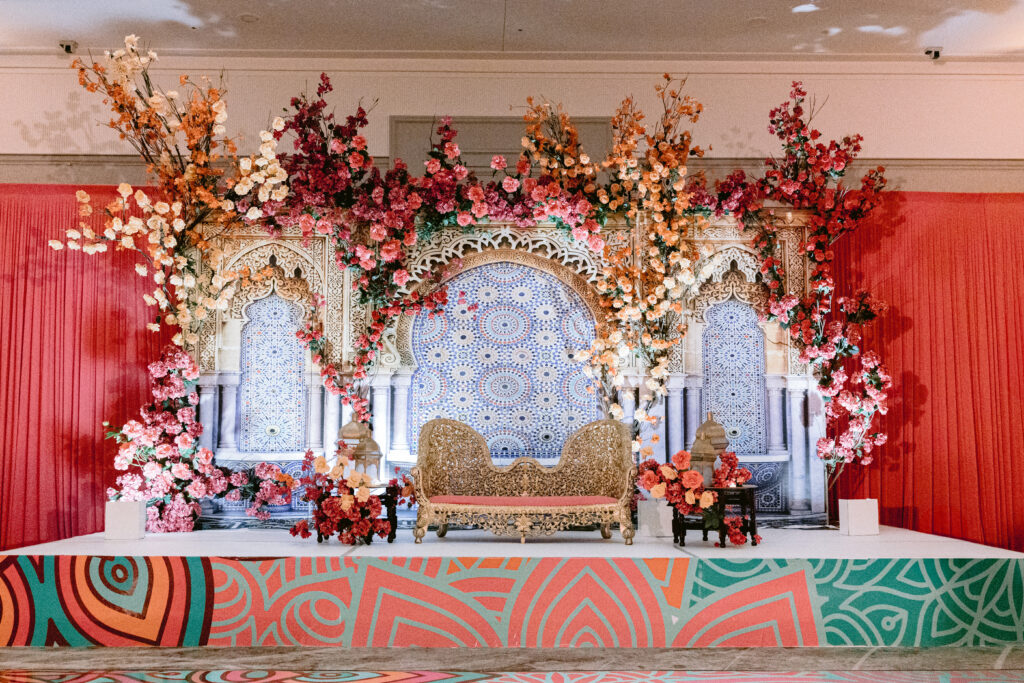
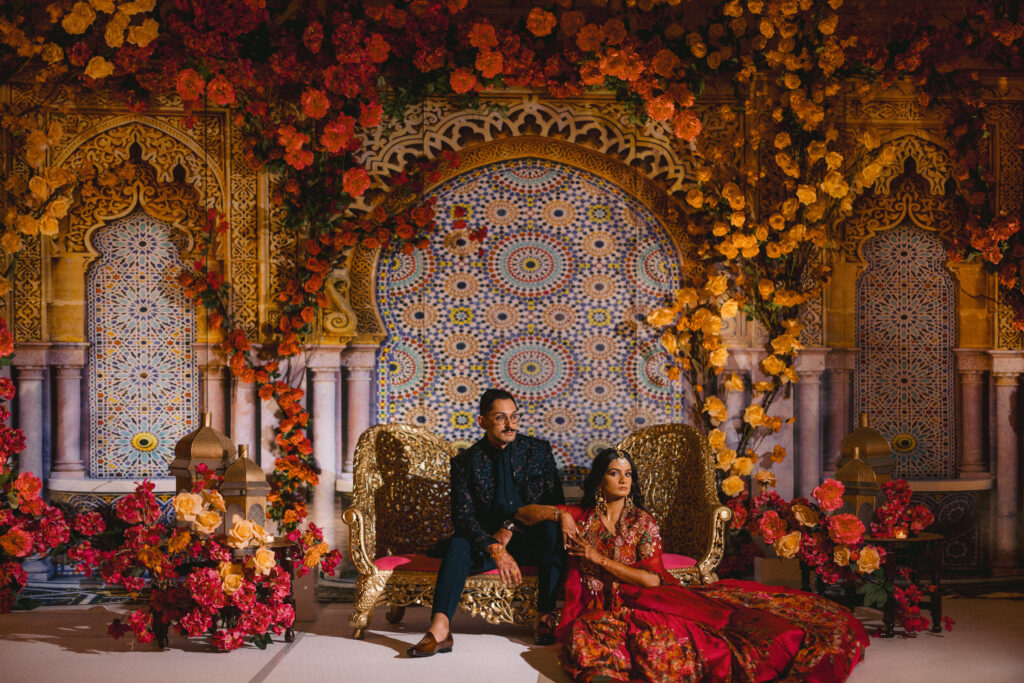
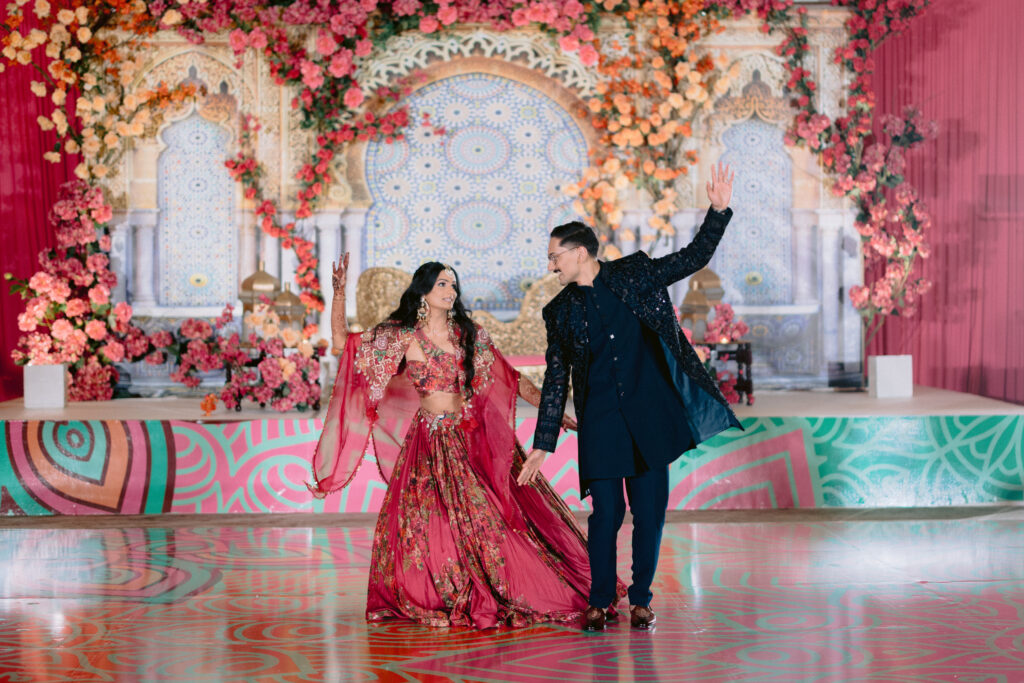
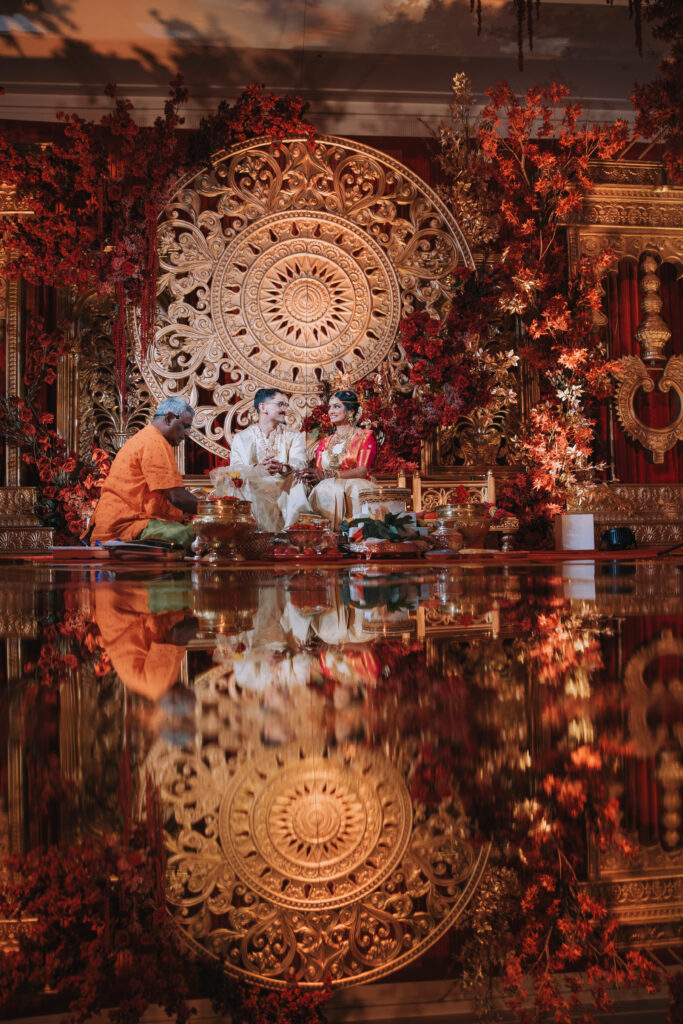
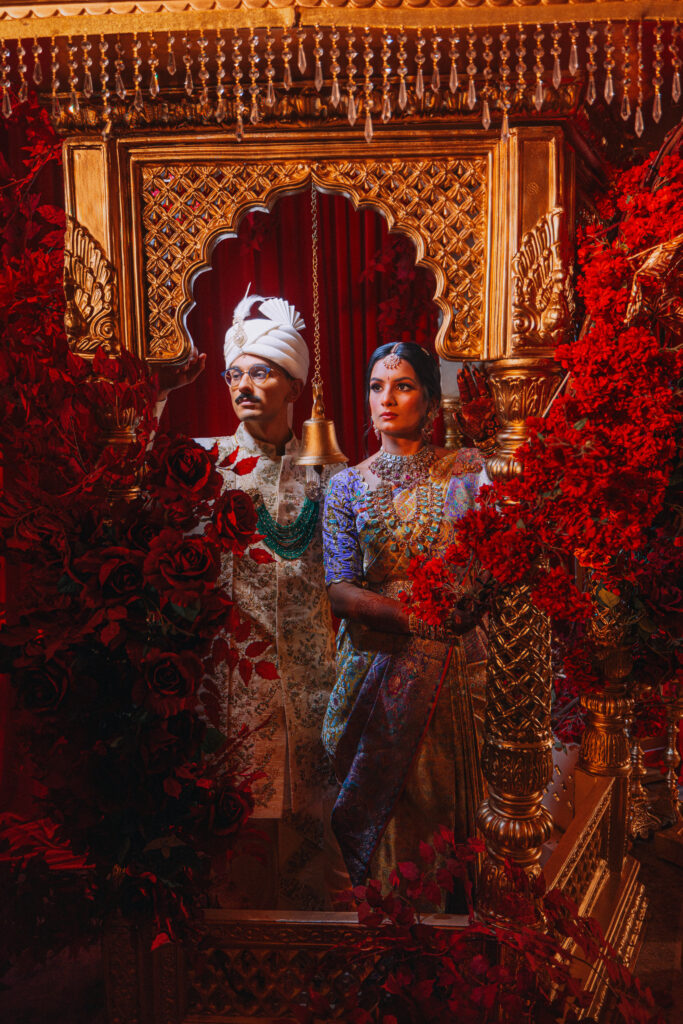
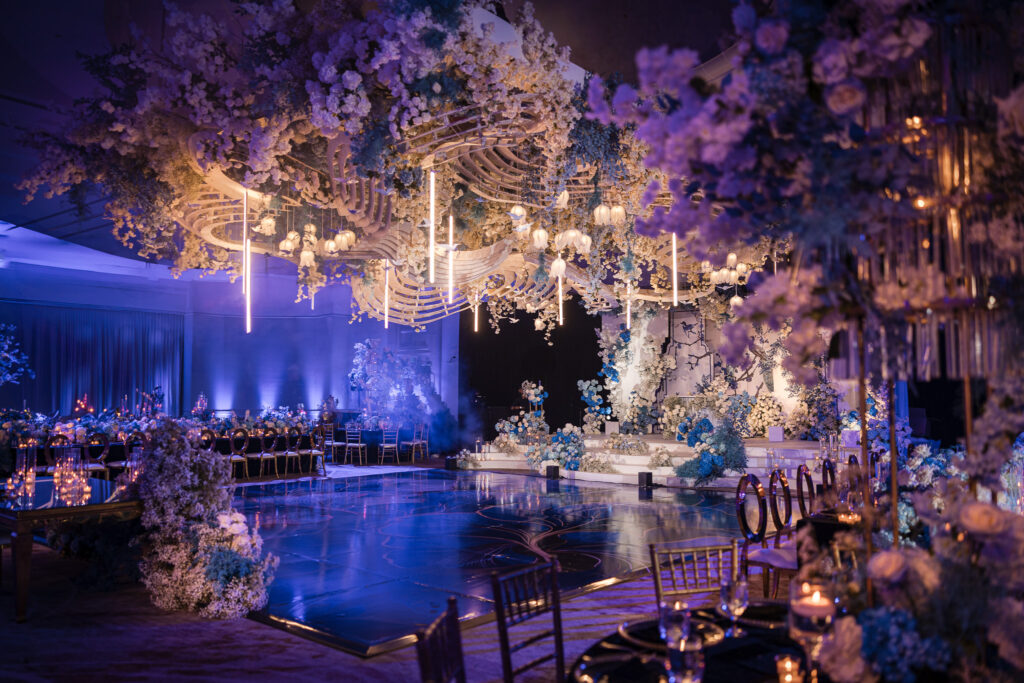
Instead of relying on traditional references or trending mandap designs, we developed a custom ceremony concept using AI-driven design. This allowed us to move beyond surface-level inspiration and focus on scale, structure, and overall impact. The result was one of the first AI-driven mandap concepts executed in Georgia, giving the ceremony a fresh, architectural foundation that felt both modern and deeply intentional.
For couples seeking a modern approach to tradition, this process allowed us to honor cultural elements while presenting them in a new, elevated way. We didn’t force a vision to fit, we built a solution that truly aligned with our clients.
Grah Shanti & Pithi: Precision, Flexibility, and Guest Experience
The weekend began with Grah Shanti, a deeply ritual-driven event that required precise coordination with priests, family members, and vendors. As an Indian wedding planner, understanding the timing and significance of each ritual is critical, not only to honor tradition but to keep the event running smoothly.
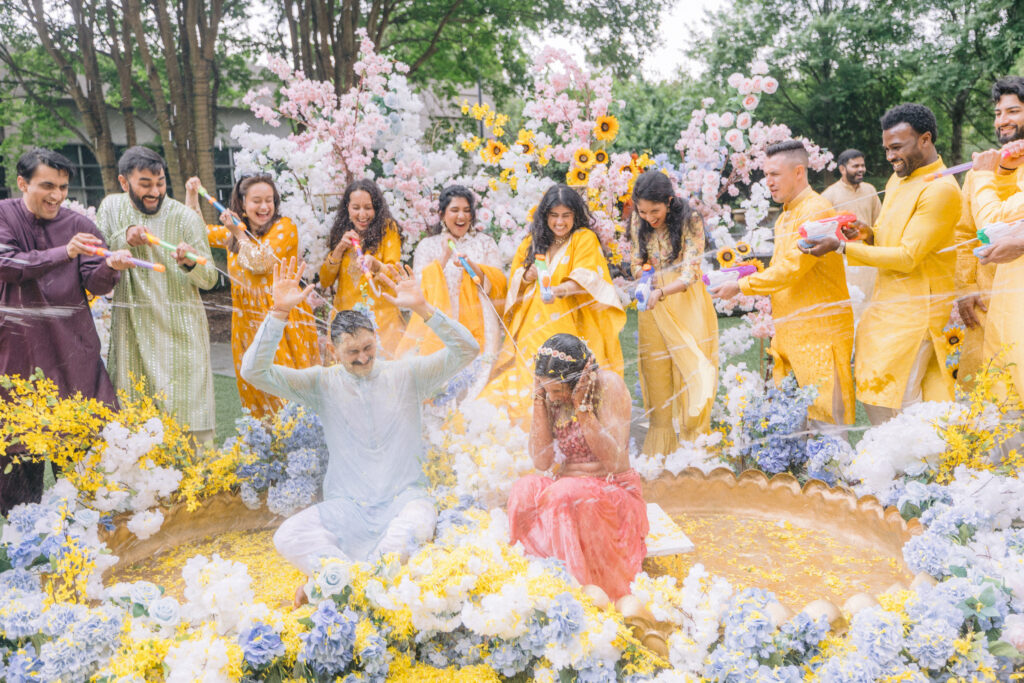
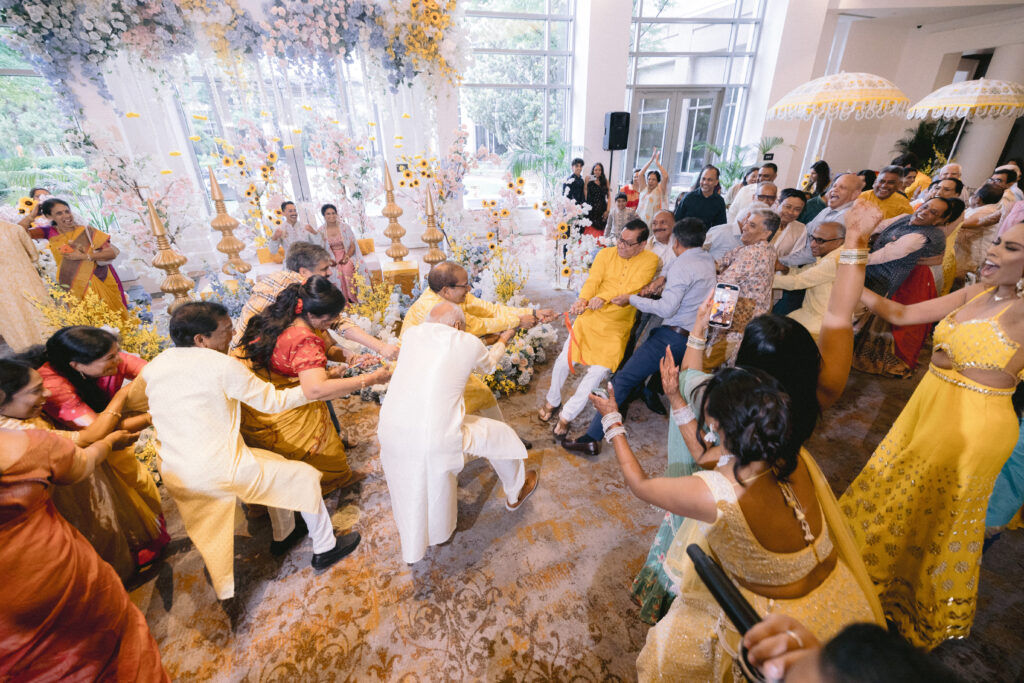
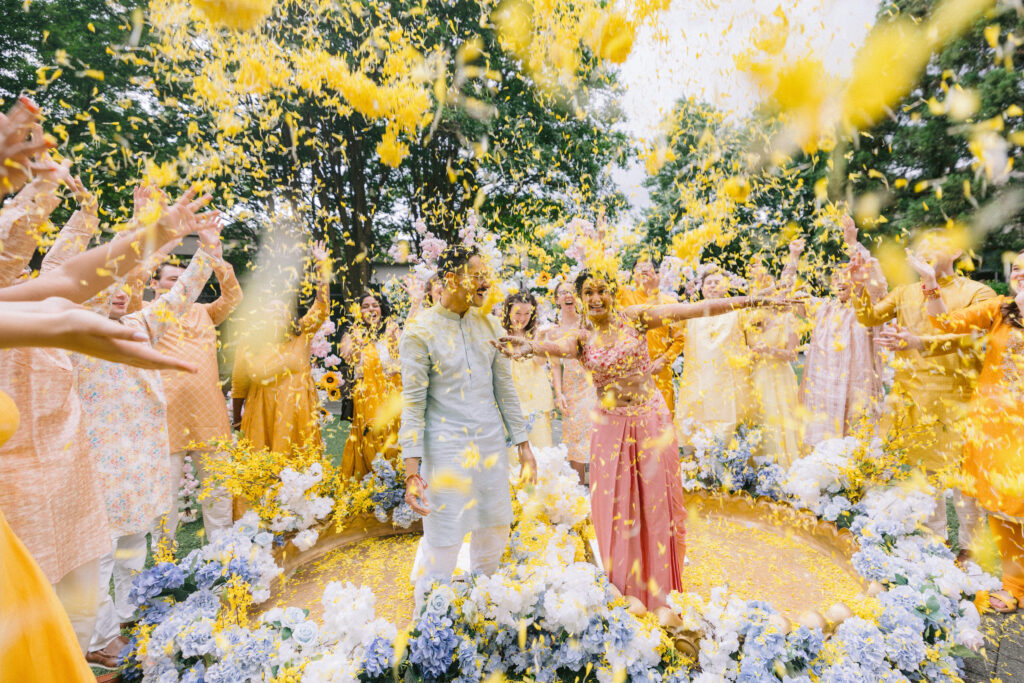
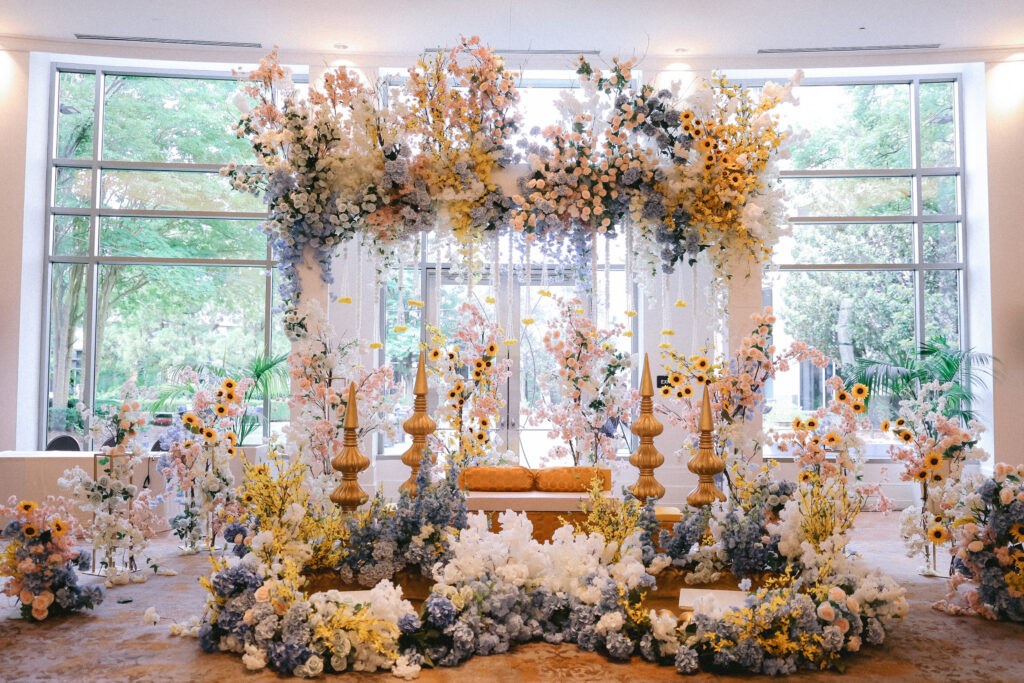
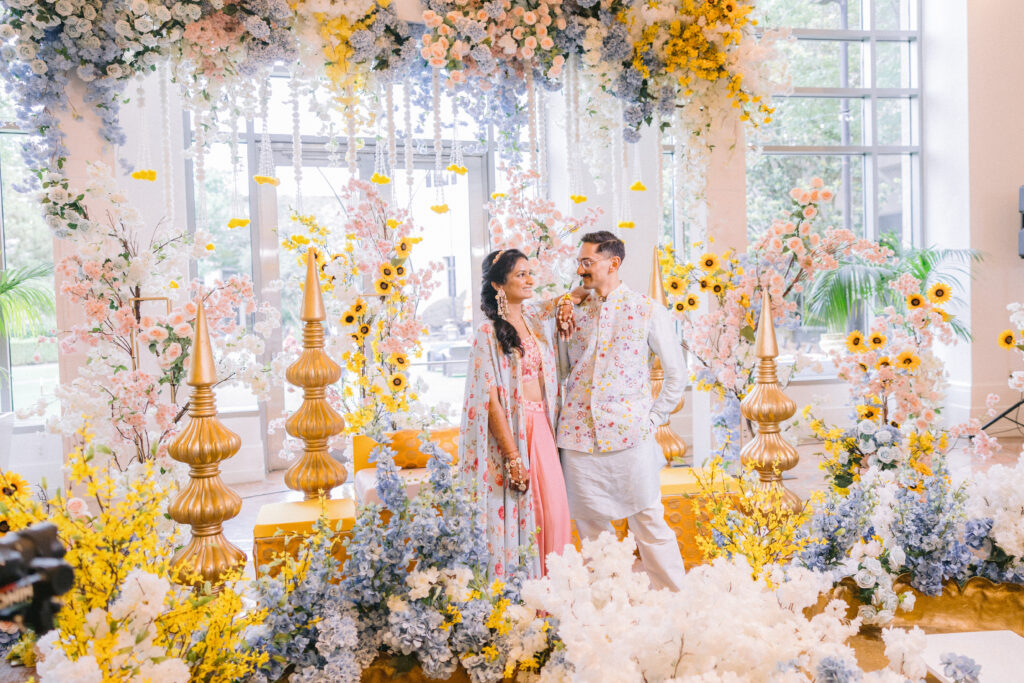
Following Grah Shanti, guests transitioned into the Pithi, where clear communication and thoughtful guest flow were essential. When rain impacted the original outdoor plan, we made the decision to move the event indoors to maintain momentum and guest comfort while closely monitoring weather conditions. Once the rain cleared, we quietly transitioned key elements back outdoors. Guests experienced the Pithi as joyful and fluid, filled with games, laughter, and water guns, never sensing the logistical choreography happening behind the scenes. All of this took place while the Sangeet was being built simultaneously in a separate space, requiring constant coordination across multiple teams, locations, and timelines.
Sangeet Night: Managing a Full-Scale Program with Precision
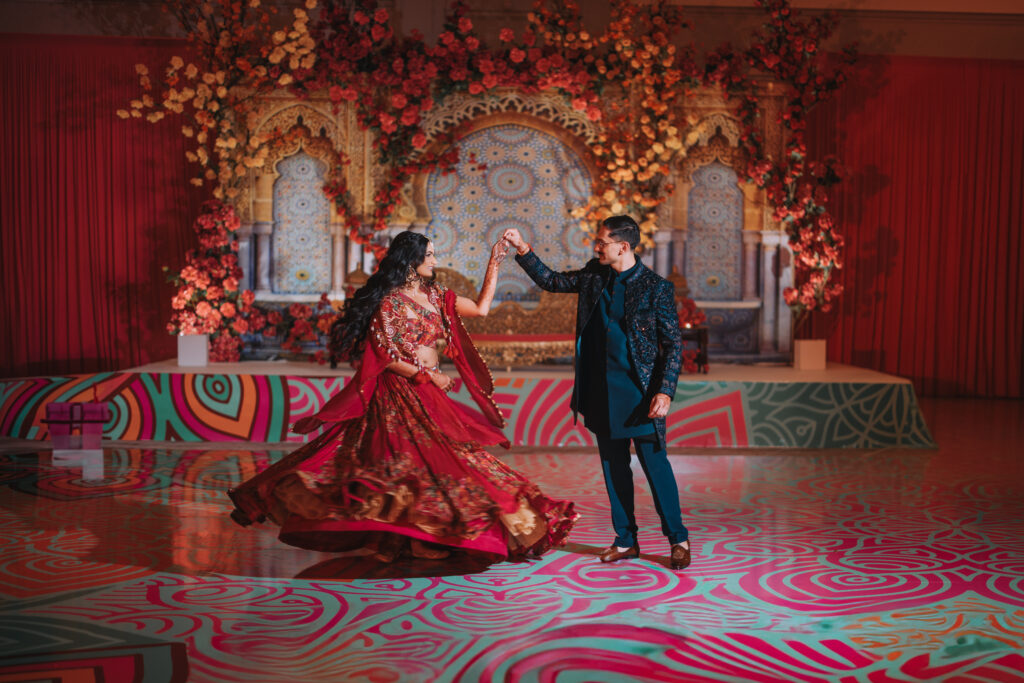
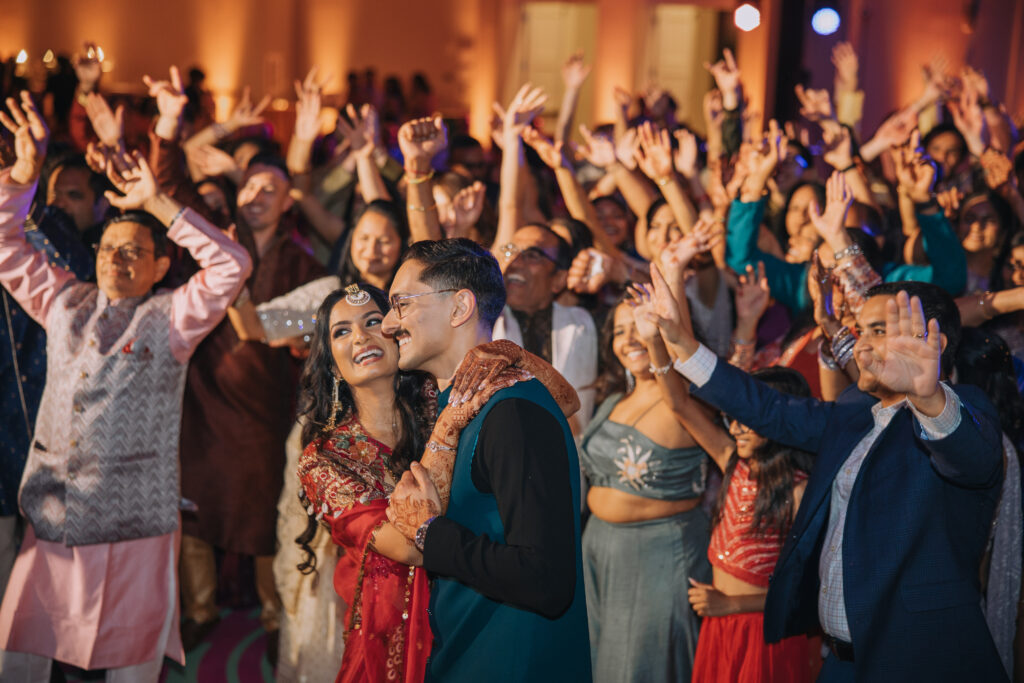
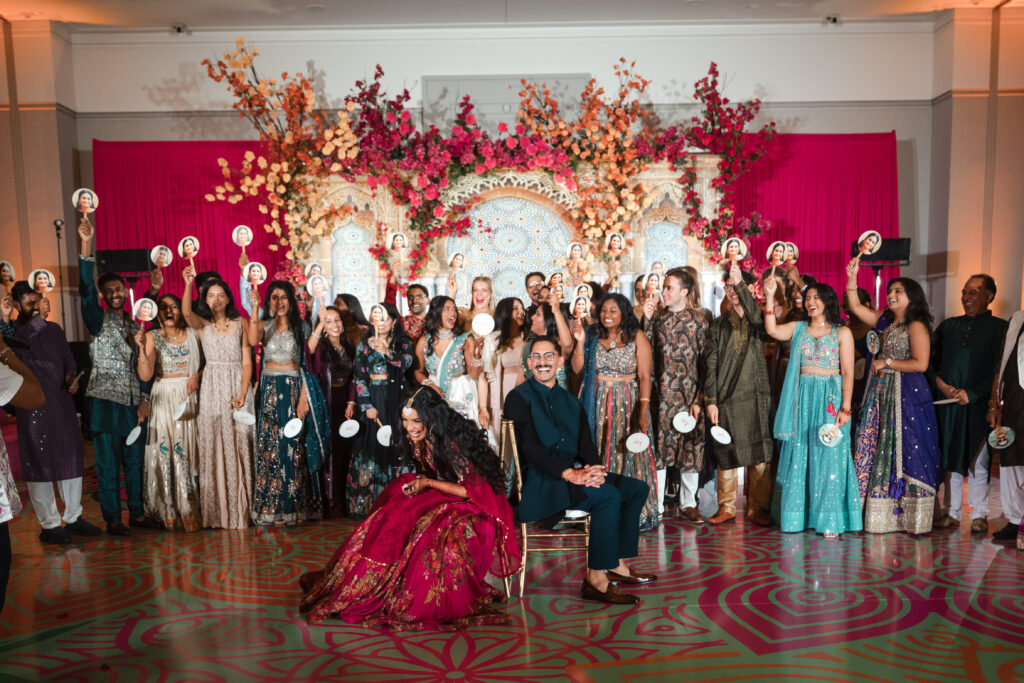
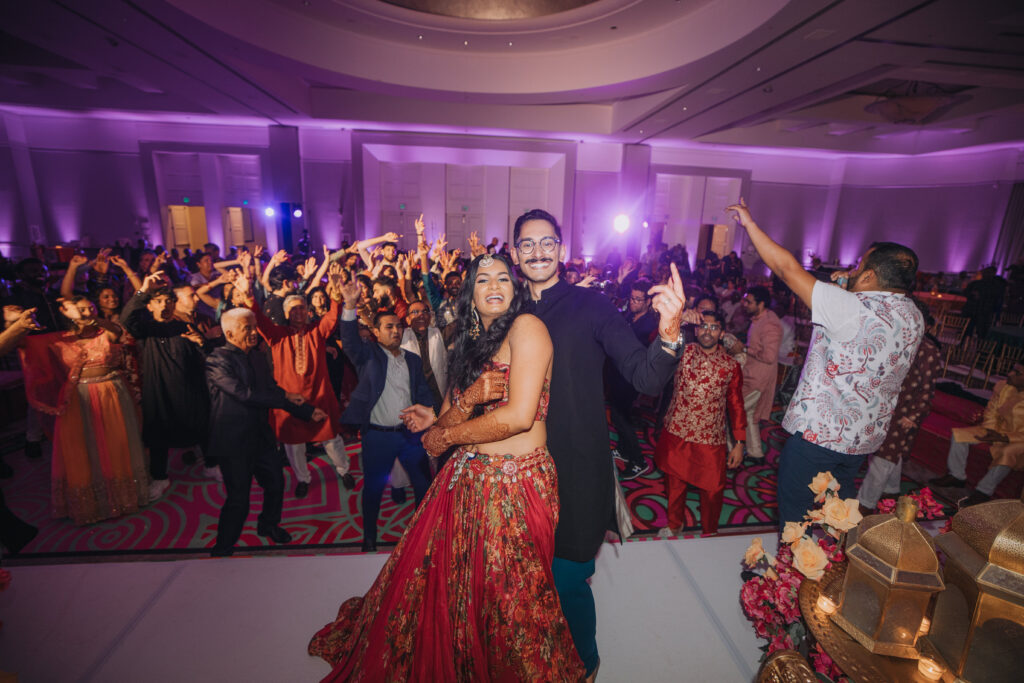
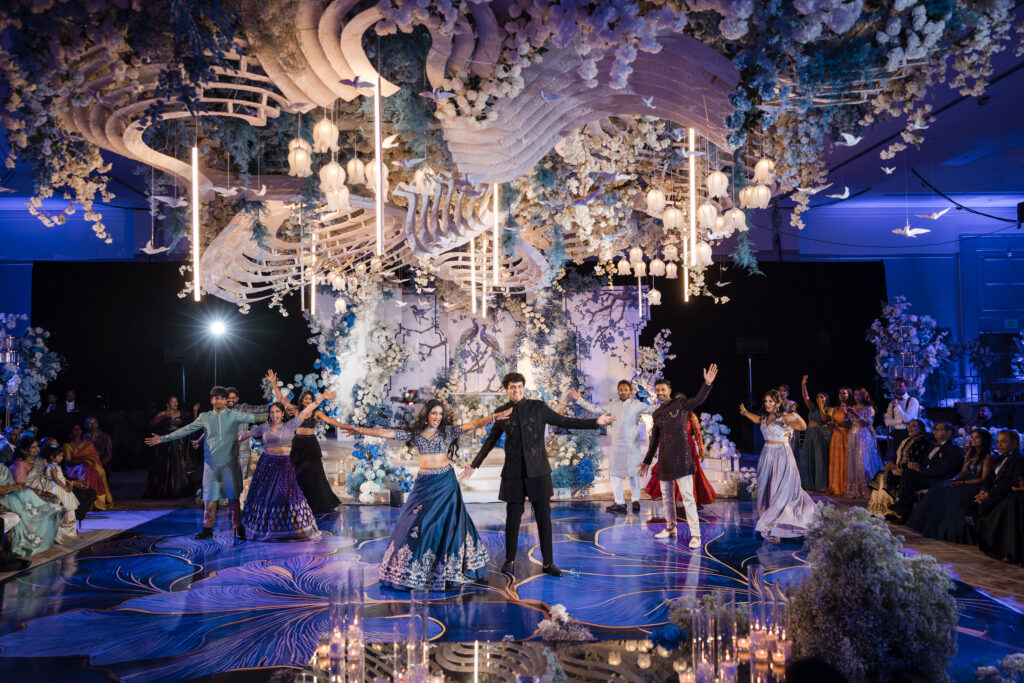
The Sangeet involved extensive program coordination, including performances, speeches, audio-visual cues, lighting transitions, and meal service. Managing the full run of the show meant keeping the evening on schedule while allowing space for organic celebration. Behind the scenes, this required constant communication with performers, AV teams, catering, and the venue staff. Every cue, whether a speech, performance, or food, was timed intentionally to maintain momentum and guest engagement throughout the night.
A Traditional South Indian Wedding Ceremony with Layered Rituals
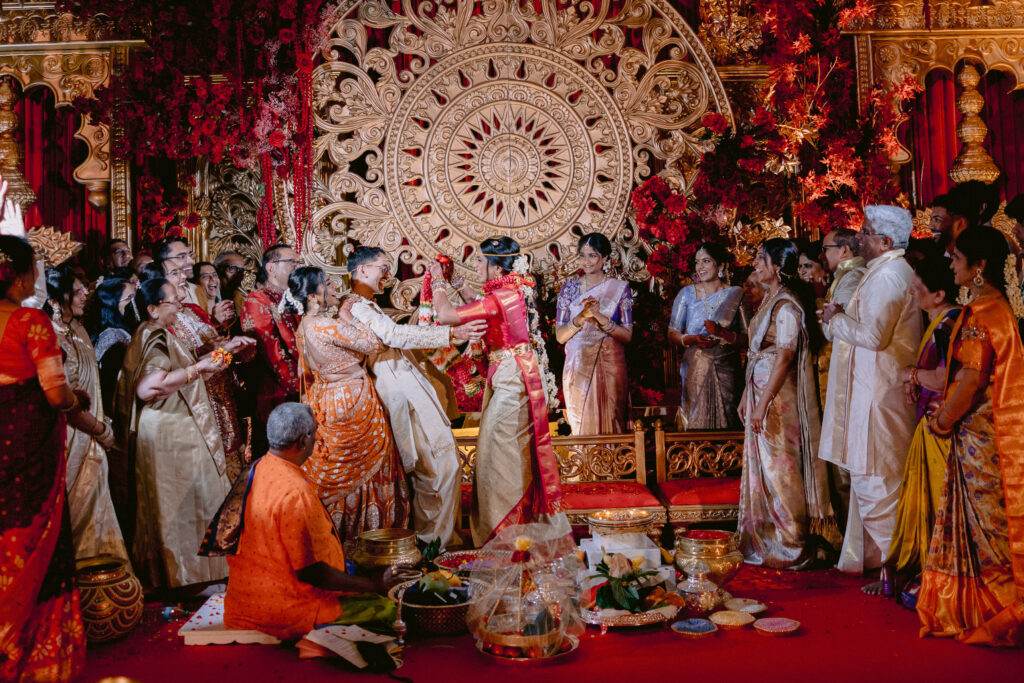
The wedding ceremony was a traditional South Indian ceremony lasting approximately four hours, with many layered rituals and transitions. These ceremonies require deep cultural understanding, precise timing, and careful guest management to ensure the experience remains engaging for everyone present.
We coordinated all ceremony logistics, from vendor timing and sound cues to guest movement and pacing. The ceremony featured Nadaswaram musicians brought in from India, along with live singers, creating a deeply authentic and emotional experience for guests.
A built-in 40-minute ceremony break required careful planning. Instead of feeling like an interruption, it became a moment of connection, with coffee, snacks, and live singing that kept guests immersed and energized before the ceremony resumed seamlessly.
One of the most complex operational elements of the weekend was executing a Thaali-style lunch service for 400 guests. While the venue had previously struggled with this service style at scale, we took full ownership, clearly defining staffing roles, and coordinating guest flow. The result was a smooth, efficient service that felt effortless to guests and restored the venue’s confidence in offering this experience.
Reception Design & Logistics in a Luxury Hotel Setting
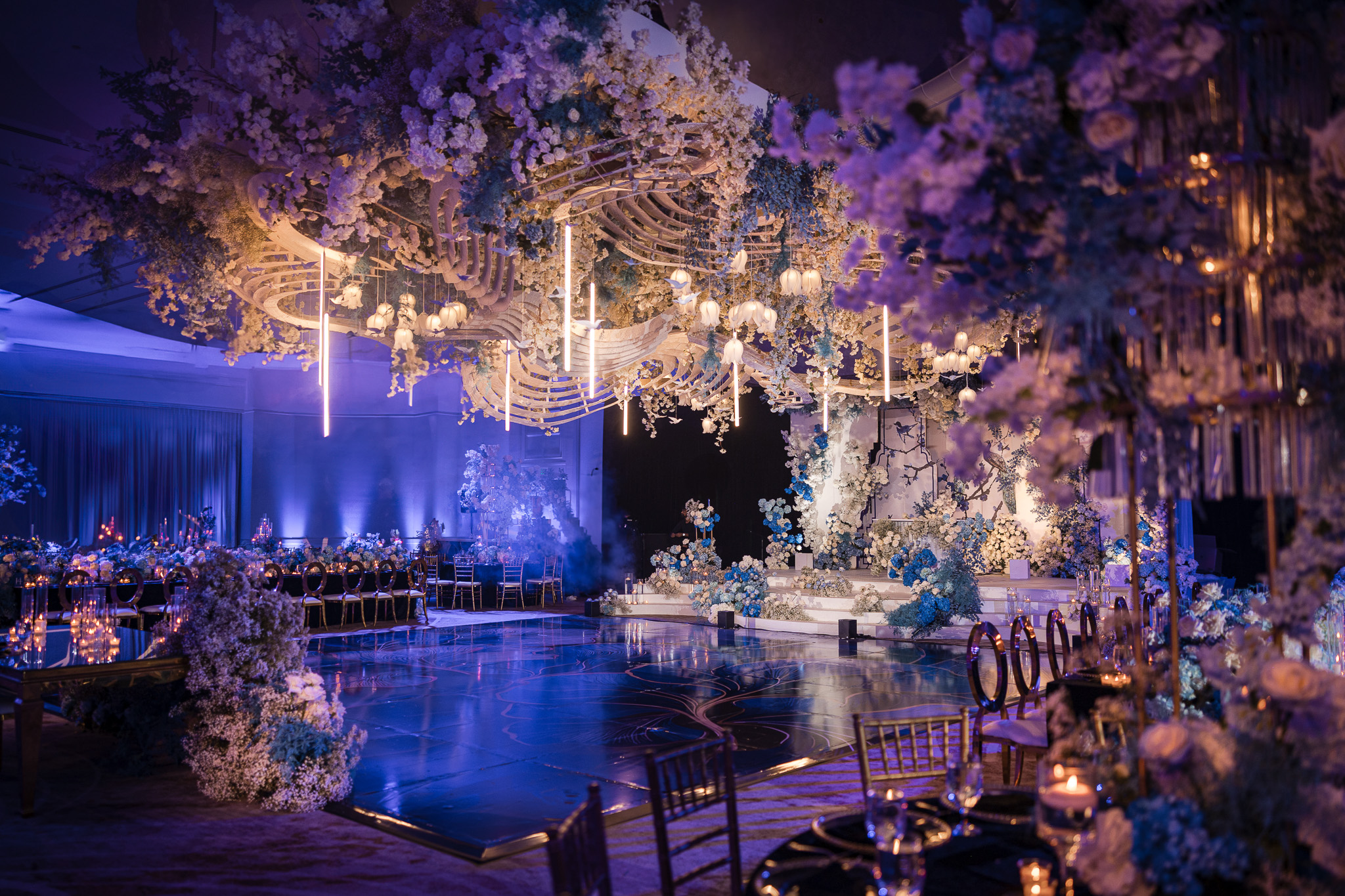
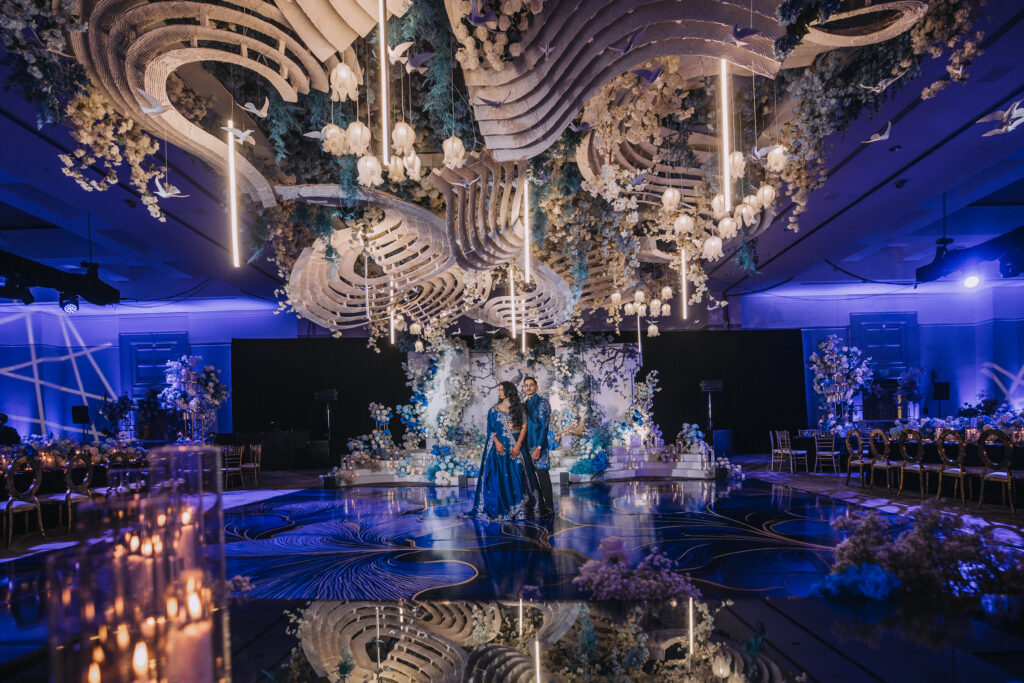
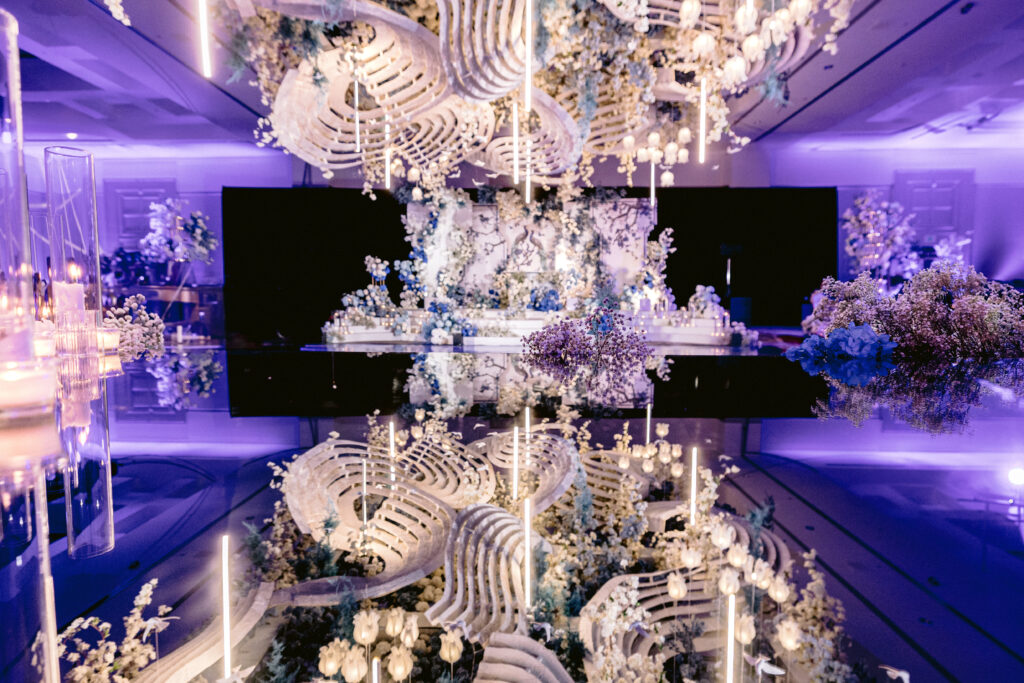
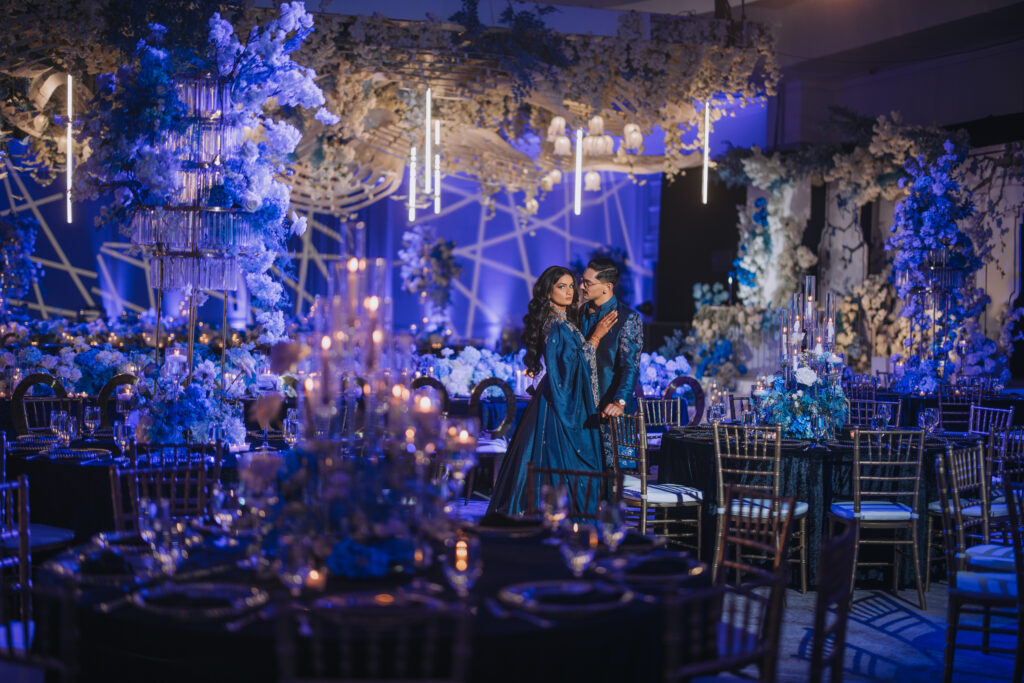
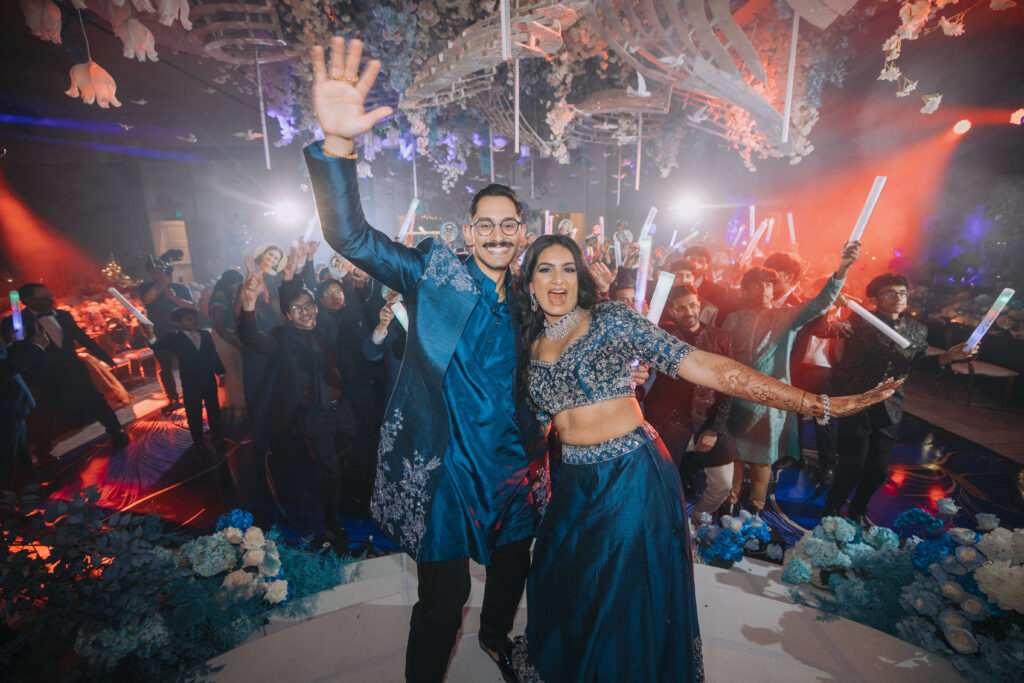
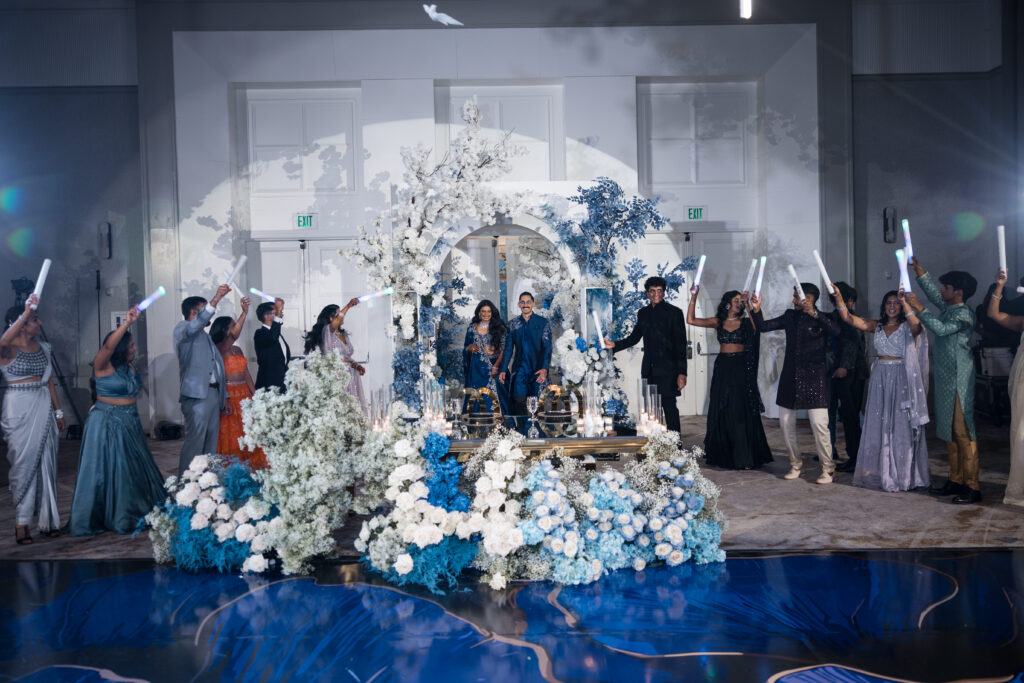
The reception required the same level of precision as the ceremony. From the custom guest entry tunnel to immersive lighting and layered design, every element was planned with both impact and logistics in mind.
Beyond aesthetics, we managed program timing, including entrances, performances, speeches, and entertainment transitions, while working closely with catering, lighting, DJ, and venue teams.
Extensive rigging and power coordination within a hotel setting presented technical challenges during setup. When delays arose, we re-sequenced the installation plan in real time, allowing décor and floral teams to move forward in parallel while technical issues were resolved, ensuring the design was executed safely and on schedule without compromising the creative vision.
What This Wedding Represents for Modern Indian Wedding Planning
This wedding is a reflection of how South Asian weddings are evolving. Couples are no longer looking for predictable formats, they want experiences that feel personal, original, and thoughtfully designed. As an Indian wedding planner, our role goes beyond coordination; it’s about creative leadership, cultural fluency, and the ability to manage complex logistics without compromising design.
From AI-driven ceremony concepts to multi-day ritual planning and large-scale hotel logistics, this celebration showcased what’s possible when intention, creativity, and execution align.
For couples planning a luxury Indian wedding, this weekend serves as a reminder that tradition and innovation can coexist beautifully when guided by the right planning expertise. Visit our contact page to start planning your dream wedding today. For more wedding inspiration, follow us on social media and explore our blog for more beautiful love stories and real wedding experiences.